
Boosting Your Mushroom Growth: The Benefits of Agar Cultivation
Introduction to Agar: Why It Matters in Clean Mycology Workflows
Agar plays an important role in modern mycology workflows. Think of agar as a stable, nutrient-rich surface that gives samples a clean place to begin developing before being moved into other materials. It offers a controlled environment that helps support cleaner transfers, easier observation, and more consistent results.
For many growers, agar is one of the best ways to improve consistency and reduce guesswork. It can help identify contamination early, isolate cleaner growth, and make it easier to carry forward strong, healthy cultures into the next stage of a workflow.
What is Agar and How Does it Work?
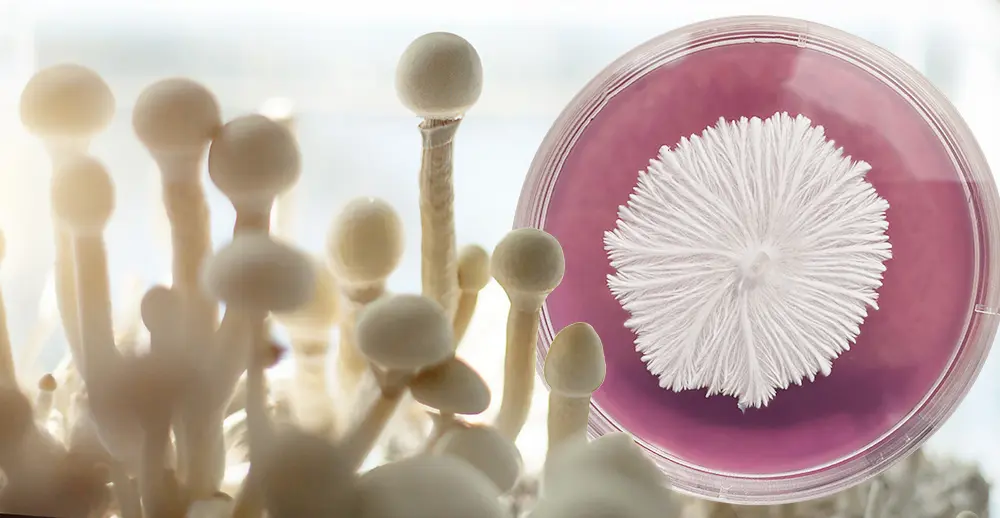
Agar is a gel-like substance derived from seaweed. In mycology, it is commonly used as a clean working surface for observing and transferring cultures. Because it holds moisture well and creates a stable medium, agar makes it easier to monitor development in a more controlled setting.
When prepared and used under clean conditions, agar can provide a reliable starting point before material is moved into grain or other substrates. Its clarity also makes it easier to spot irregular growth or contamination early.
Key Benefits of Using Agar
Using agar may sound technical at first, but it offers several practical advantages:
- Cleaner Observation: Agar provides a visible surface that makes it easier to monitor development.
- Early Contamination Detection: Unwanted growth is often easier to spot on agar than in other materials.
- Culture Selection: Helps identify cleaner, stronger sections for future transfers.
- Consistency: Makes it easier to repeat successful results across multiple runs.
- Workflow Control: Gives you more control before moving material into grain or substrate.
Agar vs. Other Methods
Compared to starting directly on grain or other materials, agar offers a more controlled and visible working surface. It helps reduce guesswork by allowing you to inspect development more easily before moving forward.
That visibility matters. Since agar is clear and compact, it is often easier to catch contamination, isolate clean sections, and make more informed decisions about what to keep or transfer.
While there is a small learning curve, many growers find that agar quickly becomes one of the most useful tools in a clean and repeatable workflow.
Setting Up Your First Agar Cultures

Getting started with agar is more approachable than many people expect. Basic supplies usually include agar powder, petri dishes, a pressure cooker or sterilizer, and simple lab tools such as a scalpel or inoculation loop.
The process begins by mixing agar with water and any chosen nutrients, sterilizing the mixture, and pouring it into clean petri dishes. Once cooled, the plates are ready for clean sample work.
The key to success is cleanliness. Working in a clean area and using sterilized tools makes a big difference in plate quality and long-term consistency.
Preparing and Using Agar Plates
Preparing agar plates starts with a simple mix of agar, water, and nutrients. Once sterilized and poured into dishes, the plates become a clean surface for transfers, samples, and general culture work.
From there, the focus is on clean handling. Once a sample is introduced, the plate should be sealed and stored in a stable environment so development can be observed over time.
As growth becomes visible, agar makes it easier to identify clean sections and continue building a stronger, more reliable workflow.
Tips for Maintaining Healthy Agar Cultures
Agar cultures can be one of the most reliable tools in mycology when maintained properly. Here are a few simple habits that make a big difference:
- Start Sterile: Use clean dishes, sterilized tools, and properly prepared media.
- Label Everything: Mark strain, date, and any useful notes on each plate.
- Store Properly: Keep plates in a cool, stable environment away from excessive heat.
- Check Regularly: Monitor for unusual colors, textures, or unexpected growth.
- Minimize Exposure: Avoid opening plates more than necessary.
Patience also matters. Some cultures move quickly, while others take more time to show clear development.
Troubleshooting Common Agar Problems
A few common issues can show up when working with agar, especially early on.
- Contamination: Strange colors, unusual textures, or unexpected spots often point to unwanted growth.
- Slow Development: Moisture levels, temperature, or sample quality may need adjustment.
- Weak Growth: Sometimes a culture benefits from being transferred to fresh agar for a cleaner restart.
Most agar issues come back to a few basics: cleanliness, stable conditions, and using fresh, well-prepared materials.
How to Scale Up Your Agar Workflow
Scaling up with agar usually comes down to improving consistency. That may mean using more plates, organizing your labeling system better, or upgrading your sterilization process.
As your workflow grows, it also helps to keep strong performers moving forward. Cleaner, more vigorous cultures can be transferred and tracked over time, helping improve repeatability from batch to batch.
A simple, organized setup is often more valuable than a complicated one. Clean technique, good records, and consistent media preparation go a long way.
Why Agar Matters
Agar gives growers a cleaner, more controlled way to work with cultures. It helps reduce guesswork, makes contamination easier to spot, and creates a strong foundation before moving into grain or substrate.
Whether you are just getting started or refining your lab process, agar can be one of the most useful tools for improving consistency and overall workflow quality.
Recommended Products for Agar Work
If you're building or improving your agar setup, these products can help support a cleaner and more consistent workflow:
- Agar Powder
- Agar Pre-Mix
- Petri Dishes
- Media Bottles
- Scalpel
- Scalpel Blades
- Parafilm
- Laser Thermometer
Related Products and Guides
- Shop Agar Products
- Browse Substrates
- Explore Sterile Grain Bags
- See How Our Small-Batch Bags Are Made
For general laboratory and educational purposes only.