

How Our 5 lb All-In-One Mushroom Grow Bags Are Made
How Our 5 lb All-In-One Bags Are Made
Not the marketing version — the real process: hydration control, commercial sterilization, seal integrity, and a built-in observation period designed to reduce risk before a bag ever reaches your door.
If you’ve ever wondered what goes into an All-In-One bag before it shows up at your door — this is it. Not the polished product photo. Not the quick-start promise. The actual process. Because a reliable All-In-One bag isn’t just materials in plastic — it’s variable control, steam penetration, and quality checks that most people never see.
What Is an All-In-One Bag?
An All-In-One bag combines:
- Sterilized grain as the starting material
- Prepared substrate as the supporting base
- Filter patch for gas exchange
- Sealed environment ready to use
Convenience only works if the process behind it is precise — especially at the transition zone where grain and substrate meet.
Grain Hydration: The Foundation of Consistency
Hydration is one of the most important variables in bag production. Too dry and performance can suffer. Too wet and moisture balance becomes harder to manage. Too uneven and results become inconsistent bag-to-bag.
- Internal absorption (not surface gloss)
- Even moisture distribution
- Proper surface drying before bagging
Assembly: Where Sterilization Margin Gets Tight

An All-In-One bag contains both grain and substrate in the same sealed unit. Steam must penetrate the grain, the substrate, and the dense transition zone between them.
That transition zone is where many lower-quality bags fall short — especially when autoclaves are overloaded or spacing is reduced to increase output.
Commercial Sterilization at 121°C (250°F)
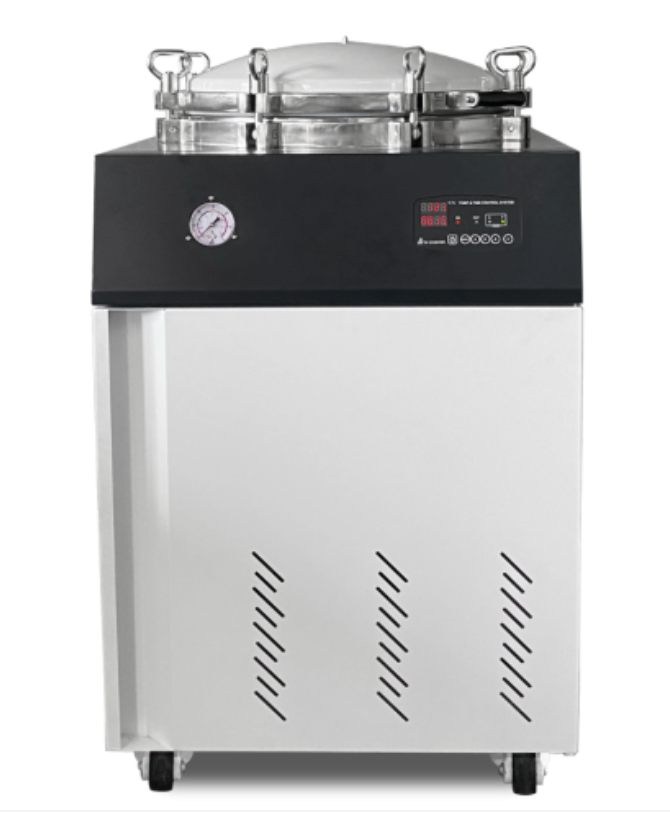
We run commercial 150L autoclaves and keep cycle standards consistent. We don’t shorten cycles to increase output.
Steam sterilization depends on saturated steam penetration, proper air removal, correct load density, and time under pressure. Heat alone isn’t enough. Steam must contact the core of the bag — that’s where true sterilization happens.
Why We Remove Bags at ~175°F
When the sterilization cycle completes and the chamber cools to approximately 175°F, we remove the bags within 1–2 minutes. Leaving them inside longer can drive off internal moisture, slowly dry the grain, and weaken vacuum seal integrity.
- Moisture balance
- Vacuum strength
- Filter patch structure
The 5–7 Day Rest Period (Built-In Quality Control)
After sterilization, we do not immediately list or ship our All-In-One bags. They rest for 5–7 days minimum before being added to inventory. This observation period allows any issues to present themselves and lets moisture stabilize.
This step limits inventory and slows production — but it dramatically increases confidence. It’s one of the most important quality control steps in our process.
Final Inspection & Vacuum Protection Before Shipping
Before release, each bag is visually inspected for vacuum consistency, seal integrity, and moisture distribution. Any compromised unit is discarded. We don’t ship questionable product.
- Vacuum-protected outer packaging
- Shipped within 1–3 business days (max 5 depending on batch timing)
- Protected for transit and storage
Why Our All-In-One Bags Sell Out
We produce in small batches to maintain control. We don’t rush sterilization cycles, skip rest periods, overload autoclaves, or scale past consistency. When inventory runs out, the next batch is released when it’s ready — not when demand spikes.
What This Means for You
When you receive one of our 5 lb All-In-One bags, it has:
- ✔ Fully sterilized at commercial scale
- ✔ Properly spaced for steam penetration
- ✔ Removed at the correct post-cycle temperature
- ✔ Rested 5–7 days minimum before listing
- ✔ Typically 10–14 days post-sterilization by arrival
- ✔ Passed inspection and vacuum verification
Want to go deeper?
You can also explore our setup guide, product pages, and related materials below.