
Boosting Your Mushroom Growth: The Benefits of Agar
Introduction to Agar: Why It Matters in Clean Mycology Workflows
Agar plays an important role in modern mycology workflows. It serves as a stable surface that provides samples with a clean starting point before being moved into other materials. This controlled environment supports clearer observation, easier handling, and more consistent outcomes.
For many, agar is one of the most effective ways to improve consistency and reduce guesswork. It allows early observation of changes, comparison of cleaner sections, and more informed decisions before moving material into the next stage.
What is Agar and How Does it Work?
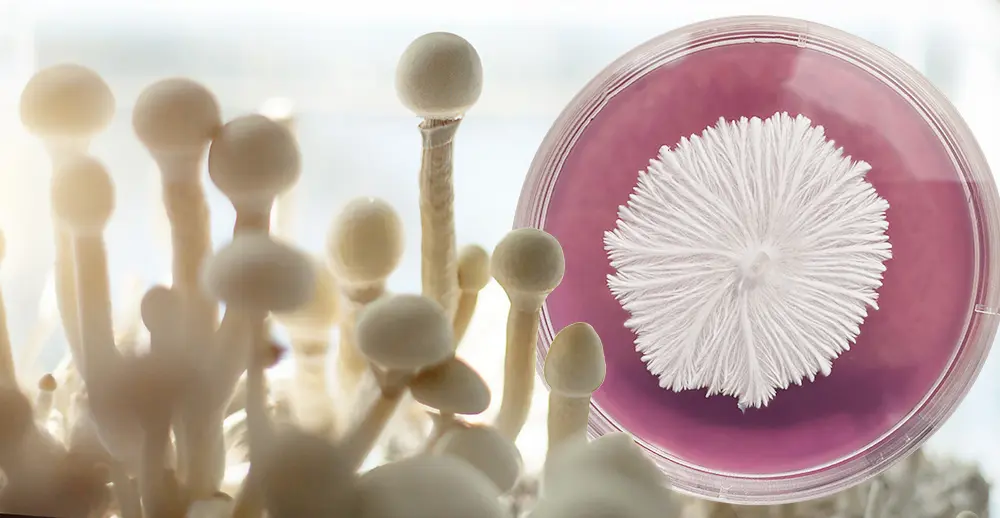
Agar is a gel-like substance derived from seaweed. In mycology and laboratory settings, it is used as a clean working surface for observing samples under controlled conditions. Its ability to retain moisture while remaining firm makes it well-suited for this purpose.
When prepared and handled properly, agar provides a reliable starting point before material is transferred into grain or other media. Its clarity also helps make changes easier to observe early in the process.
Key Benefits of Using Agar
Using agar may sound technical at first, but it offers several practical advantages:
- Clear Observation: Provides a visible surface for monitoring changes over time
- Early Detection: Makes unexpected changes easier to identify
- Sample Selection: Allows comparison of different sections before moving forward
- Consistency: Supports repeatable results across multiple runs
- Workflow Visibility: Offers insight before transferring material to other media
Agar vs. Other Methods
Compared to working directly with grain or other materials, agar provides a more controlled and visible surface. This added visibility can make it easier to observe development before proceeding.
Because agar is compact and often clear, it allows for easier comparison between samples and helps inform next steps in a workflow.
While there is a small learning curve, many find that agar becomes a valuable tool for maintaining a clean and organized process.
Setting Up Your First Agar Plates

Getting started with agar is more approachable than many expect. Basic supplies typically include agar powder, petri dishes, a pressure cooker or sterilizer, and simple lab tools such as a scalpel or transfer tool.
The process begins by mixing agar with water and selected nutrients, sterilizing the mixture, and pouring it into clean petri dishes. Once cooled, the plates are ready for use.
Clean handling is key. Working in a clean environment and using sterilized tools helps support consistent results over time.
Preparing and Using Agar Plates
Preparing agar plates starts with a mixture of agar, water, and nutrients. After sterilization and pouring, the plates provide a stable surface for observation and handling.
Once material is introduced, plates are typically sealed and stored in a stable environment so changes can be observed over time.
Agar allows for easier identification of consistent sections, supporting a more controlled workflow overall.
Tips for Maintaining Healthy Agar Plates
Agar plates can be a reliable tool when maintained properly. A few simple habits can make a noticeable difference:
- Start Clean: Use clean dishes, sterilized tools, and properly prepared media
- Label Clearly: Include date and relevant notes on each plate
- Store Properly: Keep plates in a cool, stable environment
- Monitor Regularly: Watch for unusual colors or changes
- Limit Exposure: Avoid opening plates more than necessary
Some samples develop quickly, while others take more time. Consistency and patience are important.
Troubleshooting Common Agar Problems
A few common issues may appear when working with agar, especially early on:
- Unexpected Changes: Unusual colors or textures may indicate a problem
- Slow Development: Environmental conditions or media preparation may need adjustment
- Inconsistent Results: Transferring to a fresh plate can sometimes help reset the process
Many challenges relate back to cleanliness, stable conditions, and proper preparation.
How to Scale Up Your Agar Workflow
Scaling up typically involves improving consistency and organization. This can include increasing plate usage, refining labeling systems, or standardizing preparation methods.
Tracking consistent results over time can help improve repeatability across different batches.
Simple, organized systems are often more effective than overly complex setups.
Why Agar Matters
Agar provides a clean, controlled way to work with samples. It helps reduce uncertainty, supports clear observation, and creates a strong foundation before moving into other materials.
Whether just getting started or refining a process, agar can be a valuable tool for improving consistency and workflow clarity.
Recommended Products for Agar Work
If you're building or refining your setup, these products can support a clean and consistent workflow:
- Agar Powder
- Agar Pre-Mix
- Petri Dishes
- Media Bottles
- Scalpel
- Scalpel Blades
- Parafilm
- Laser Thermometer
Related Products and Guides
- Shop Agar Products
- Browse Substrates
- Explore Sterile Grain Bags
- See How Our Small-Batch Bags Are Made
For general laboratory and educational purposes only.