

Agar Basics: Mycelium Transfers, Starting spores, Cleaning contamination, selecting the best sectors, and more
Introduction to Agar: A Clean Foundation for Mycology Work
Agar is one of the most widely used tools in modern mycology. It provides a clean, controlled surface where samples can be observed and evaluated before being used with other materials.
Think of agar as a starting point that helps reduce guesswork. It allows for clearer observation, easier identification of irregularities, and more consistent outcomes across your workflow.
What is Agar?
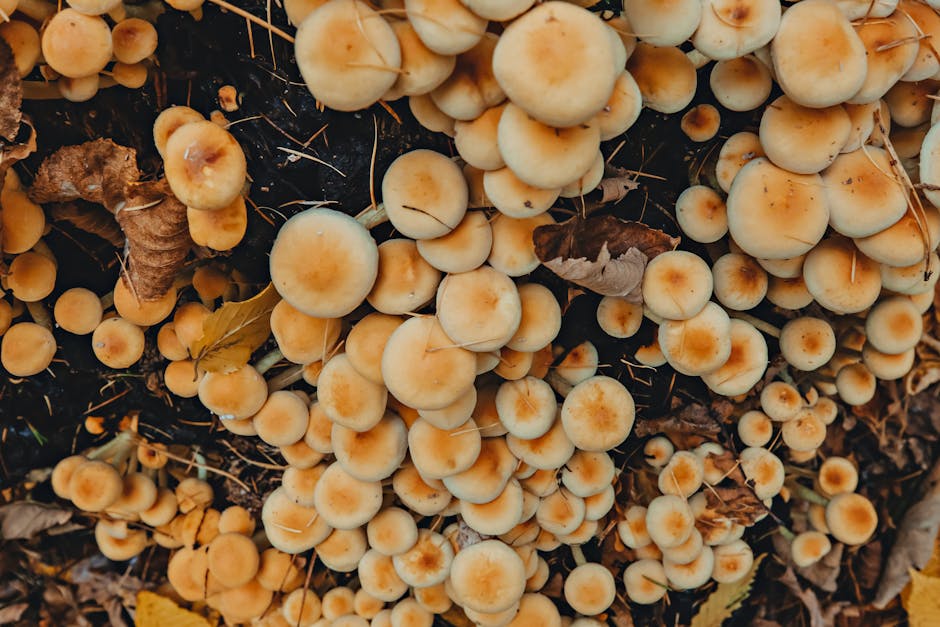
Agar is a gel-like substance derived from seaweed. In mycology, it is used as a stable surface for working with samples in a clean and controlled environment.
Because agar holds moisture well and remains firm, it allows for clear visual observation and helps improve precision when working with different materials.
Preparing Agar Plates
Preparing agar plates typically involves mixing agar powder with water and a simple nutrient source. The mixture is then sterilized using appropriate equipment before being poured into clean containers.
After preparation, the material is allowed to cool and solidify. Plates are commonly stored upside down in a stable environment to reduce condensation.
Maintaining a clean workspace and using properly sanitized tools can significantly improve consistency.

Working with Agar
Once prepared, agar provides a clean surface for observation and comparison. Small samples can be placed onto the surface and monitored over time as visible changes occur.
This allows you to compare different areas, identify more consistent sections, and make more informed decisions before moving into other materials.
Refining and Observing Material
Agar is commonly used to review and refine samples over time. By working with small sections and observing changes, it becomes easier to identify consistent and reliable material.
Repeating this process helps improve consistency and overall workflow reliability.
Clean Practices
Maintaining a clean environment is one of the most important parts of working with agar. Irregular growth or unexpected changes can often be traced back to handling or environmental conditions.
Using clean tools, minimizing exposure, and working in a controlled space all contribute to better outcomes.
If something appears off, it’s often best to set it aside and continue working with clean material.

Selecting Consistent Areas
Agar makes it easier to compare different sections visually. When working with multiple samples, look for areas that appear consistent and uniform.
Focusing on these sections can help improve repeatability when moving forward.
Scaling Your Agar Workflow
Scaling agar work typically involves increasing volume while maintaining consistency. This includes keeping organized labels, refining preparation methods, and maintaining clean practices.
As workflows grow, repeatability and consistency become more important than complexity.
Why Agar Matters
Agar provides a clean and controlled starting point that helps reduce variability and improve overall consistency.
By using agar effectively, you can make more informed decisions before working with:
This step helps create a more reliable foundation across your workflow.
Recommended Products
Related Guides
For general laboratory and educational purposes only.